

How to Know If an SEO Agency Is Legit
How to Know If an SEO Agency Is Legit (Before You Sign a Contract)
SEO is one of the easiest services to fake. There’s no physical product to inspect, results take months to show up either way, and most business owners have no way to independently verify whether “we’re optimizing your technical SEO” means anything at all. That gap is exactly what bad agencies exploit – and it’s why “how do I know if an SEO agency is legit” is one of the most searched questions from people about to sign a contract. Here’s the actual checklist to run before you do.
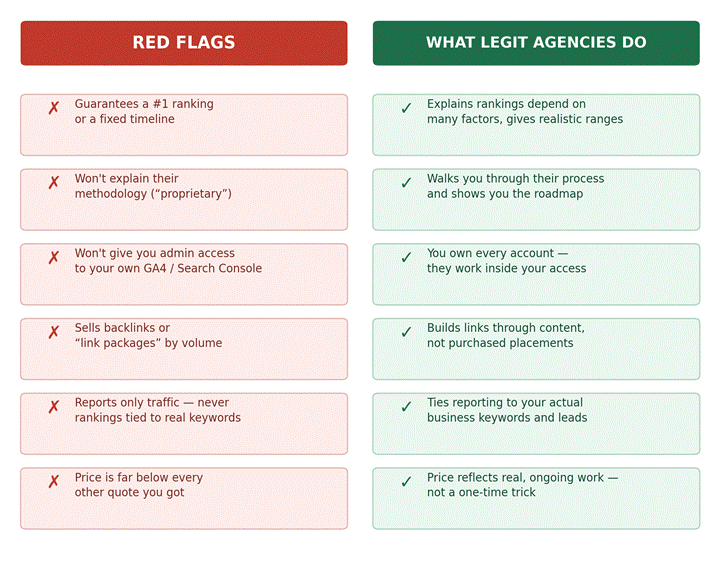
The 6 red flags that show up again and again
1. They guarantee a #1 ranking or a fixed timeline
No one controls Google’s ranking algorithm not even Google’s own engineers can guarantee where a specific page lands. Google says this directly in its own guidance for site owners: advertising with Google has no effect on organic placement, and no one can pay to be included or ranked in search results. Any agency promising a specific position or a date is either overpromising or planning to use tactics that get your site penalized.
2. They won’t explain their methodology
“Proprietary process” with no further detail is a common way to avoid answering the question. A legitimate agency can walk you through what they’ll actually do content changes, technical fixes, link-building approach in plain language, because there’s nothing to hide.
3. They won’t give you access to your own accounts
Your Google Analytics, Search Console, and Google Business Profile should always be owned by you, with the agency working as a user inside your account not the other way around. If they refuse admin access or run everything through their own dashboard with no login for you, you have no way to verify anything they report, and no way to leave without losing your own historical data.
4. They sell backlinks or “link packages” by volume
Any agency offering “50 backlinks a month” or link packages priced per link is selling exactly the kind of manipulative link scheme that Google’s own spam policies explicitly prohibit. These links can produce a short-term bump, but they carry real risk of a manual penalty that’s expensive and slow to recover from.
5. They only report traffic – never rankings tied to real business keywords
Traffic is easy to inflate with irrelevant, low-intent keywords that never convert. Ask specifically: which keywords are we ranking for, and are they the ones our actual customers search? If the report is all vanity metrics and no keyword-level detail, that’s deliberate.
6. The price is far below every other quote you got
SEO is time-intensive work research, content, technical fixes, outreach. A price dramatically lower than every competing quote usually means either automated low-quality output or a bait-and-switch where the real cost shows up later.
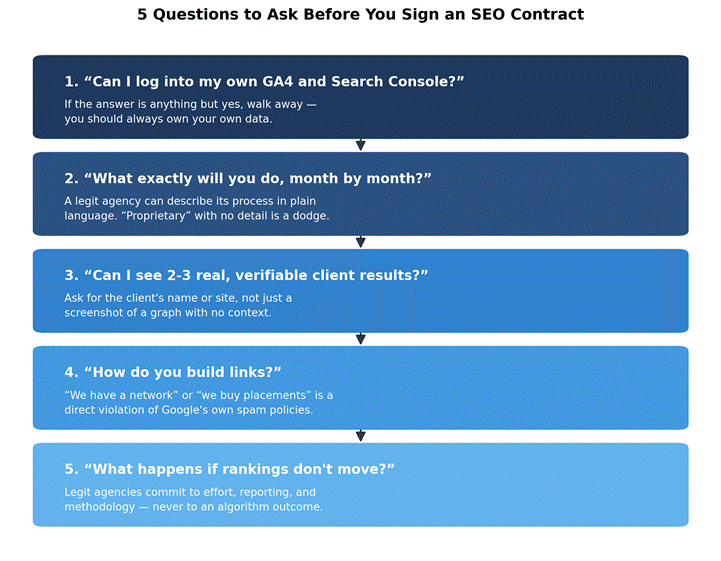
A useful shortcut: check it against Google’s own rules
You don’t need to be technical to run this test. Google publishes exactly what it considers manipulative in its Search Essentials spam policies cloaking, hidden text, link schemes, doorway pages, scraped content. If an agency describes a tactic that matches anything on that list, even in vague terms, that’s not a grey area it’s a documented violation that risks your site getting penalized or deindexed entirely.
What this looks like for a local Ahmedabad business specifically
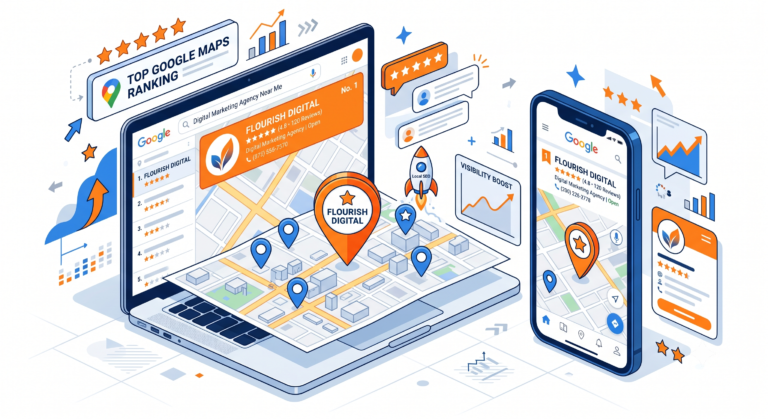
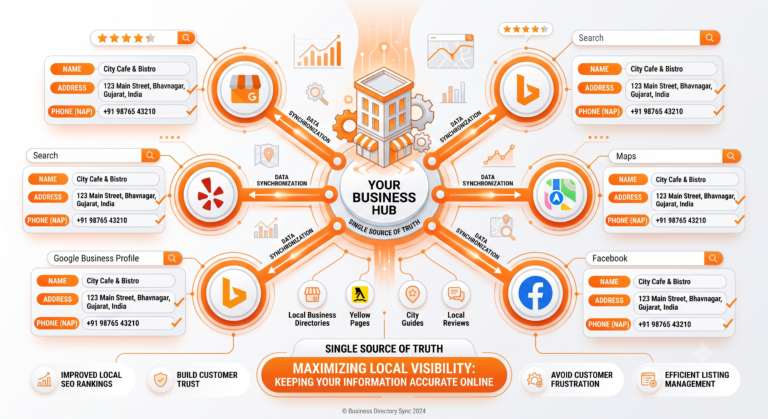
Local SEO adds its own layer to verify: does the agency manage your Google Business Profile under your own ownership, or their agency account? Do they show you real local ranking positions (map pack, “near me” searches) rather than generic national rankings that don’t apply to a local business? We cover the local-specific checks in our local SEO guide, which is worth reading alongside this if you’re hiring specifically for local visibility.
If you’ve already hired someone and you’re not sure
You can run this same checklist on an agency you’re already paying ask for account access, ask what keywords you’re ranking for, and check their link-building approach against Google’s spam policies. If the answers are vague or you’re not sure what to make of them, a short independent marketing strategy consultation with a second party (not the agency being reviewed) is the fastest way to get a straight answer before you renew a contract or sink more budget in.
Get a second opinion
If you’re evaluating a quote, or want an outside read on work already being done, our SEO team will look at it and tell you plainly what’s real and what isn’t – whether or not you end up working with us. Get in touch here.
Published by Earnedge – digital marketing agency, Ahmedabad
How can I tell if an SEO agency is legitimate?
A legitimate SEO agency should be transparent about its strategy, explain what work it will perform, provide access to your own analytics and search accounts, and measure results against relevant business outcomes. It should also be able to show examples of previous work and explain its recommendations in plain language. Google specifically recommends interviewing potential SEO providers, checking references, asking about previous work, and understanding how they measure success.
What are the biggest red flags when hiring an SEO agency?
Common warning signs include guaranteed #1 rankings, vague or secretive strategies, bulk backlink packages, lack of access to Google Analytics or Search Console, reports focused only on traffic, and promises that sound significantly better or cheaper than competing proposals. Your existing checklist covers these six signals directly.
Can an SEO agency guarantee first-page or #1 Google rankings?
No SEO agency controls Google’s organic rankings. Google explicitly advises businesses to be cautious when an SEO provider guarantees first-place rankings. Agencies can improve a site’s technical foundation, content, authority and search visibility, but they cannot guarantee a specific organic position.
What questions should I ask an SEO agency before hiring them?
Ask what they will do during the first 30-90 days, who will work on your account, how they build links, which KPIs they report, how they measure leads or conversions, what results they realistically expect, and what happens if performance does not improve. Google additionally recommends asking about previous work, industry experience, geographic experience and how the agency communicates changes.
How do I verify an SEO agency’s results or case studies?
Ask for specific examples of previous work and enough context to understand what actually improved. Look beyond screenshots showing a traffic spike. Ideally, a case study should identify the business situation, work performed, timeframe and measurable change in relevant organic-search KPIs. Google specifically recommends checking an SEO provider’s business references and previous work.
How do I know whether my SEO agency is actually doing anything?
You should be able to identify concrete work completed during each reporting period: technical fixes, pages optimized, content created or improved, internal linking changes, outreach or digital PR activity, and other agreed deliverables. Your reporting should then connect that work with search visibility, qualified organic traffic and conversions rather than simply presenting a dashboard.
Should an SEO agency have access to my Google Search Console and Google Analytics?
Yes, but your business should retain ownership and control of the accounts. The agency should normally be added with the permissions required to perform its work. Google specifically recommends providing only read access to Search Console when an SEO provider is conducting an initial audit.
Should an SEO agency understand AEO, GEO and AI search?
It is increasingly reasonable to ask how an agency approaches visibility in AI-assisted search experiences. However, be cautious of agencies claiming secret methods for “ranking #1 in ChatGPT” or guaranteed AI citations. Google now explicitly includes optimizing for generative AI among services an SEO professional may provide and recommends checking whether AEO/GEO advice aligns with its official guidance.


One Comment